
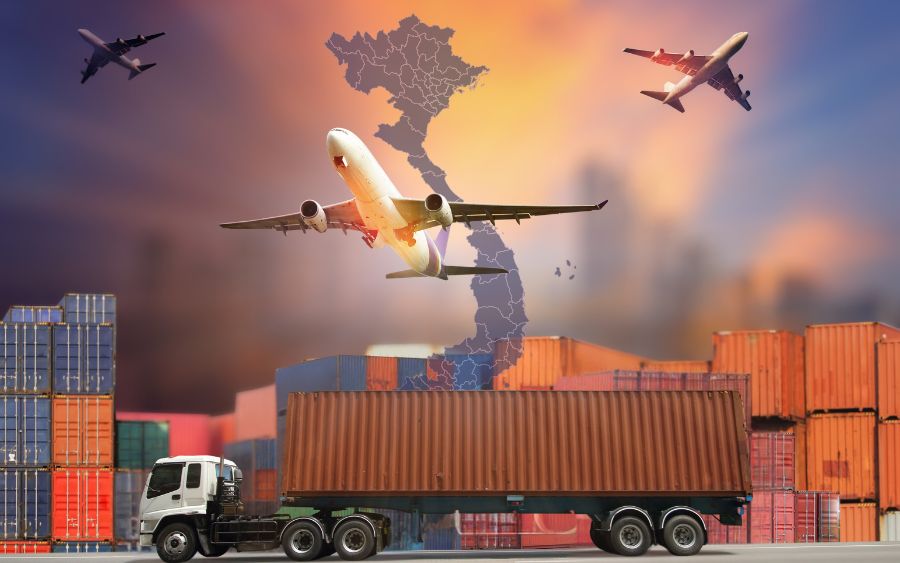
Vietnam continues to attract foreign companies looking to expand in Southeast Asia. However, entering the market successfully requires more than identifying demand or appointing a local partner. One of the most important factors is understanding how products actually move through the country.
For many international brands, distribution in Vietnam can be difficult to assess from the outside. The market is not centralized. Products may move through several layers before reaching the end customer, including importers, distributors, wholesalers, retailers, e-commerce platforms, and local sales agents.
As a result, pricing, stock availability, brand visibility, and customer access can vary significantly from one channel to another. For foreign companies, understanding the route to market is therefore a critical step before making commercial decisions.
Vietnam Distribution Channels Are Highly Fragmented
For many foreign companies, the first surprise is that Vietnam does not have one simple distribution route.
A product imported into Vietnam may first go through an importer responsible for customs, documentation, labelling, and local compliance. From there, it may be sold to a national distributor, regional distributors, wholesalers, retailers, supermarkets, online sellers, or directly to consumers through e-commerce.
This fragmented structure often makes Vietnam more complex than it appears from the outside. Foreign companies should not assume that one distributor can provide effective nationwide coverage. In many cases, market access depends on a combination of regional partners, channel-specific relationships, and strong local execution.
A distributor may be strong in Ho Chi Minh City but have limited reach in Hanoi or central Vietnam. Another partner may have good relationships with traditional retailers but limited access to supermarkets or convenience store chains. In some sectors, provincial markets may still rely heavily on wholesalers, local agents, and long-standing commercial relationships.
This means that distribution in Vietnam is not only about selecting one partner. It is about understanding how the full route to market works, who controls each layer, and how products move from importation to final purchase.
For foreign companies, this also means that market entry should not be treated as a purely commercial decision. It is also an operational decision. The right distribution structure can support growth, while the wrong one can limit visibility, create pricing issues, or make it difficult to build long-term demand.
The Role of Importers and Distributors in Vietnam
Importers and distributors are often the first local partners considered by foreign companies entering Vietnam.
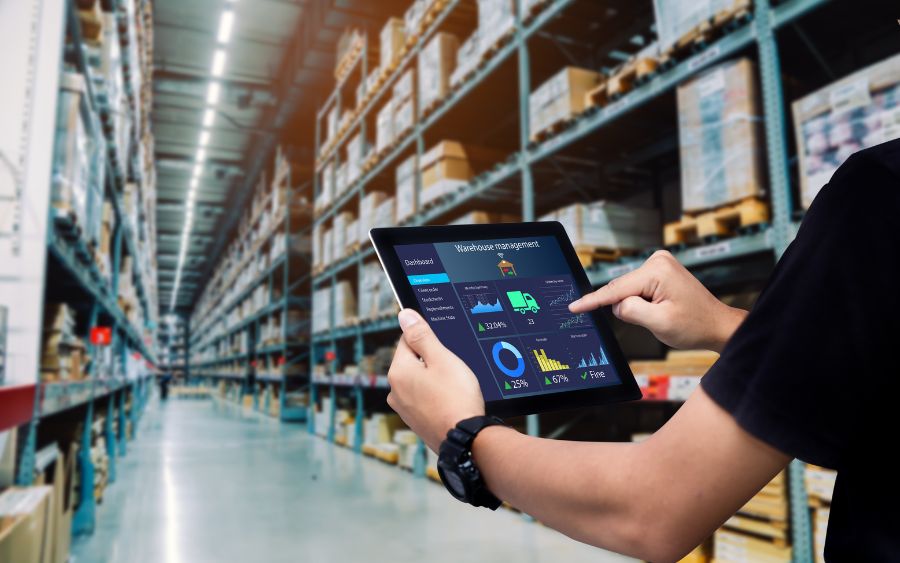
An importer usually supports the legal and operational process of bringing products into the country. This may include customs clearance, product registration, labelling requirements, tax documentation, and other compliance-related procedures. In many cases, the importer is also the legal entity responsible for placing the product on the Vietnamese market.
A distributor, by contrast, focuses on sales, coverage, and market access. Depending on the product category, distributors may already have relationships with retailers, wholesalers, supermarkets, pharmacies, restaurants, industrial buyers, or online channels.
However, the distributor market in Vietnam is not uniform. Some distributors specialise in specific regions. Some are stronger in traditional retail. Others have better access to supermarkets, convenience stores, or e-commerce platforms.
For this reason, foreign companies should assess more than a distributor’s general profile. Key points to review include actual regional coverage, sales team capability, existing customer base, warehouse capacity, product category experience, and ability to support sell-out, not only sell-in.
A strong distributor on paper may still be limited if its network is concentrated in one region or one sales channel.
Vietnam Traditional Trade Still Plays a Major Role
Vietnam’s traditional trade remains one of the most important parts of the country’s distribution system.
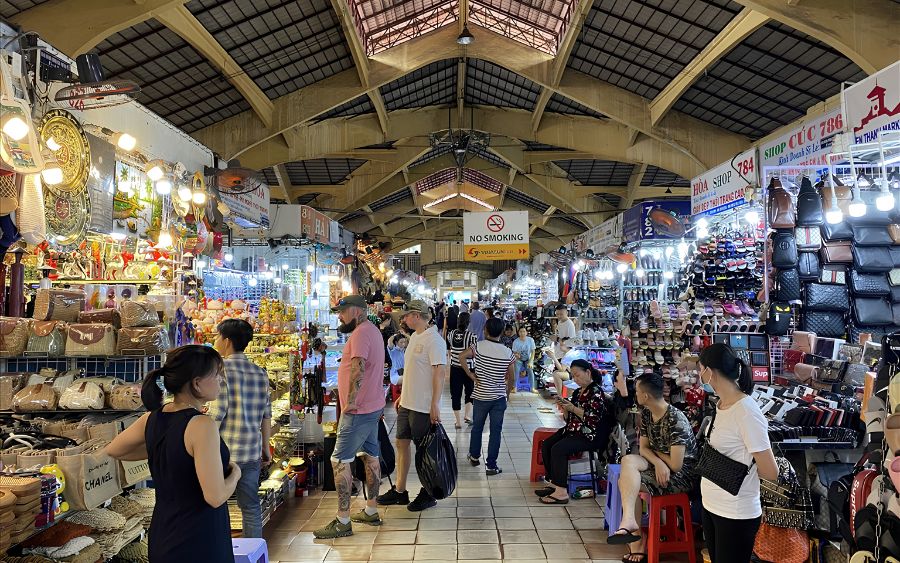
Traditional trade includes small independent shops, family-owned retailers, local markets, wholesalers, neighbourhood stores, provincial agents, and informal retail networks. For many product categories, especially consumer goods, food products, beverages, household items, personal care products, and daily-use products, traditional trade remains essential for reaching Vietnamese consumers.
The main strength of Vietnam’s traditional trade is market depth. It allows products to reach residential areas, smaller cities, provincial markets, and local communities that may not be fully covered by organised retail chains.
For companies looking to build volume, traditional trade can be a powerful channel. It gives access to a broad customer base and often reflects real purchasing behaviour in daily life. In many areas, consumers still rely on nearby shops, local sellers, and familiar retailers for regular purchases.
However, traditional trade can also be more difficult to control. Pricing may vary from one location to another. Product display may not follow brand guidelines. Promotions may be implemented inconsistently. Stock levels may be difficult to monitor. Feedback from customers may not be formally collected.
This creates both opportunities and challenges. Vietnam’s traditional trade can help foreign companies reach the market deeply, but it often requires strong local relationships, frequent follow-up, and a practical understanding of how wholesalers and retailers operate.
Companies entering this channel should not expect immediate visibility or full control. Instead, they need a clear sales plan, realistic targets, and a partner capable of managing the channel at ground level.
For European companies in particular, this may require an adjustment in expectations. Traditional trade in Vietnam may be less standardised than distribution systems in some European markets, but it remains highly relevant and commercially important.
Vietnam Modern Trade Builds Visibility and Trust
Vietnam’s modern trade includes supermarkets, convenience stores, retail chains, shopping malls, specialty stores, and organized retail networks.
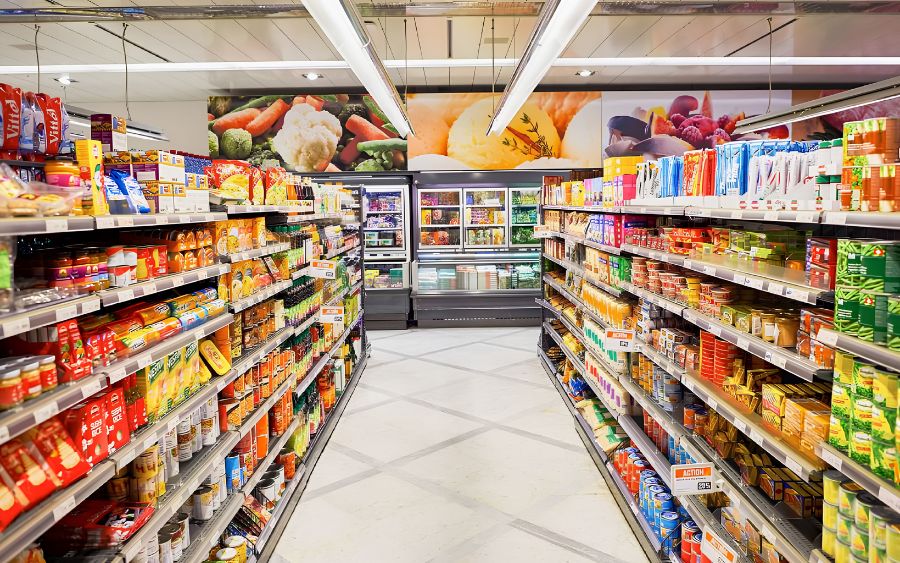
For foreign brands, modern trade can be attractive because it provides visibility, credibility, and access to urban consumers. Being present in supermarkets, convenience stores, or retail chains can help a brand appear more established and trustworthy.
Modern trade is especially relevant in major cities such as Ho Chi Minh City, Hanoi, Da Nang, and other urban centres where consumers are increasingly familiar with organised retail environments. It can also support brand positioning, especially for premium, imported, or quality-focused products.
However, Vietnam’s modern trade also comes with higher requirements. Companies may need to prepare listing fees, marketing budgets, promotional campaigns, packaging standards, delivery capacity, and consistent stock availability. Retail chains may also require strong margins and professional account management.
This means that modern trade should not be treated only as a sales channel. It is also a brand-building channel. The value of modern trade is not always limited to immediate sales volume. It can also help build consumer trust, increase visibility, and support long-term market positioning.
At the same time, companies should assess whether they are ready for the operational requirements of modern trade. Entering retail chains too early, without sufficient stock, marketing support, or local coordination, can create pressure and reduce performance.
For this reason, Vietnam’s modern trade should be approached with a realistic budget and a clear operational plan. It can be highly useful, but it should fit the company’s stage of market entry, product category, and commercial objectives.
E-commerce Is Changing the Vietnam Distribution Network
E-commerce has become an increasingly important part of the Vietnamese distribution network. Platforms such as Shopee, Lazada, TikTok Shop, and other online channels allow brands to reach consumers more directly. Social commerce, livestream selling, affiliate sellers, and online resellers are also changing how products are discovered and purchased.
For foreign companies, e-commerce can be a useful way to test demand, collect customer feedback, and build early brand awareness. It can also reduce dependence on traditional offline distributors.
Online channels can help companies observe how customers respond to pricing, packaging, product claims, reviews, and promotional offers. This can provide valuable market feedback before expanding further into offline channels.
However, online sales create new challenges. Price competition can be intense. Unofficial sellers may appear. Brand image can be difficult to control. Customer service, delivery speed, return policies, and online reviews can strongly influence consumer trust.
In some cases, a brand may gain visibility online but struggle to maintain price discipline. In other cases, products may appear across multiple sellers without a clear strategy, creating confusion for customers and weakening brand positioning.
For this reason, e-commerce should be managed as part of a broader distribution strategy. It can support market entry, but it should be aligned with offline distribution, pricing policy, stock management, and brand communication.
The strongest approach is often not to choose between online and offline channels, but to understand how they can support each other. In Vietnam, many consumers discover products online, compare prices digitally, and still purchase offline. Others may first encounter a product in a store and later reorder it through an online platform.
This interaction between channels is becoming an important part of the Vietnam distribution network.
Vietnam Should Not Be Treated as One Single Market
One of the most important lessons for foreign companies is that Vietnam is not a uniform market.
Consumer behavior, purchasing power, sales relationships, retail habits, and distribution networks can vary significantly between Ho Chi Minh City, Hanoi, Da Nang, industrial provinces, tourism-driven areas, and smaller cities.
A product that performs well in Ho Chi Minh City may need a different sales approach in Hanoi. A distributor with strong southern coverage may not have the same influence in the north. A brand that succeeds online may still need offline visibility to build long-term trust.
This is why companies should think regionally before scaling nationally.
Building a Realistic Market Entry Strategy in Vietnam

A successful market entry strategy in Vietnam should start with distribution mapping.
Before choosing a partner, companies should understand who the target customers are, where they buy, which channels influence their decisions, and which type of distributor or sales partner is needed to reach them.
This process should include both commercial and operational questions. Which channels are most relevant for the product? Is the product better suited to traditional trade, modern trade, e-commerce, direct sales, or a combination of channels? What level of investment is required? What margins are expected by each channel? What logistics and stock requirements need to be managed?
Foreign companies should also consider how the product will be positioned. A premium imported product may require modern trade visibility and controlled communication. A mass-market product may need traditional trade coverage and strong wholesale relationships. A niche B2B product may require direct sales, technical support, and a more targeted distribution model.
There is no single route to market that works for every company. The right approach depends on product category, target customer, price positioning, regulatory requirements, and long-term business objectives.
In many cases, companies benefit from starting with a focused strategy rather than trying to cover the entire market immediately. This allows them to test assumptions, understand customer response, refine pricing, and assess partner performance before scaling further.
Common Mistakes Foreign Companies Should Avoid
Foreign companies entering Vietnam often make similar mistakes when approaching distribution.
One common mistake is assuming that a distributor with a large network is automatically the best partner. Size can be useful, but relevance is more important. A smaller distributor with strong category experience and active customer relationships may perform better than a larger partner with limited focus.
Another mistake is expecting one partner to cover every channel and region effectively. In Vietnam, this is not always realistic. A company may need different partners for different regions, customer groups, or sales channels.
A third mistake is focusing only on sell-in. Initial orders can create a positive impression, but they do not guarantee long-term success. Companies need to track sell-out, customer feedback, repeat orders, and channel performance.
Foreign companies may also underestimate the importance of local follow-up. Distribution in Vietnam often requires continuous coordination, regular communication, and practical problem-solving. Market development cannot be managed only through contracts or initial agreements.
Some companies also enter the market without a clear pricing structure. This can lead to channel conflict, inconsistent retail prices, or pressure from online discounting. A clear pricing and margin strategy should be prepared before products are widely distributed.
Finally, one of the most important mistakes is choosing a distributor before validating demand. A distributor can provide market access, but it cannot replace market understanding. Before committing to a long-term partnership, foreign companies should assess whether there is real demand for the product, which customer segments are most relevant, and which channels are most sustainable. Without this validation, companies may select a partner too early and build their market entry strategy on assumptions rather than evidence.
Conclusion
Understanding Vietnam’s distribution channels is essential for any foreign company planning to enter the market.
The country offers strong opportunities, but its distribution system is fragmented, regional, and multi-layered. Importers, distributors, wholesalers, retailers, Vietnam traditional trade, Vietnam modern trade, and e-commerce platforms all play different roles in how products reach consumers.
Success in Vietnam requires more than finding a distributor. It requires understanding how the Vietnam distribution network works, how the Vietnam distributor market varies by region and product category, and how to build a route-to-market strategy that aligns with the product, customer, and business model.
Companies that take the time to understand Vietnam’s distribution disparities at both national and regional levels will be better prepared to enter the market, choose the right partners, and build sustainable growth.