
Vietnam’s coffee industry stands at a major crossroads. As the world’s second-largest coffee exporter, with nearly 1.7 million tons shipped annually, the country has long supplied Europe with its signature robusta beans. In fact, the EU accounts for around 40% of Vietnam’s total coffee exports, making it a vital trading partner.
But beginning December 2025, the EU Deforestation Regulation (EUDR) will redefine how Vietnamese coffee reaches European markets. Exporters must now prove that every bean is deforestation-free and legally produced. While this creates new compliance challenges, it also presents a chance for Vietnam to strengthen its reputation as a global leader in sustainable agriculture.
Why Coffee Falls Under EUDR
Coffee is among the seven major commodities targeted by the EU Deforestation Regulation, alongside cocoa, timber, rubber, cattle, soy, and palm oil. The law requires exporters to demonstrate that no deforestation or forest degradation occurred after December 31, 2020 on the land where their crops were grown.
For coffee, this means tracing the beans back to the farm level, confirming that plantations were established legally and have not expanded into forested areas in recent years. Companies exporting to the EU must submit due-diligence statements supported by geolocation coordinates of each production plot.
This approach represents a major shift from the older certification systems, it’s no longer enough to show sustainable practices; exporters must now prove the exact origin of each shipment with data.
Vietnam’s Coffee Landscape: Strength and Fragmentation
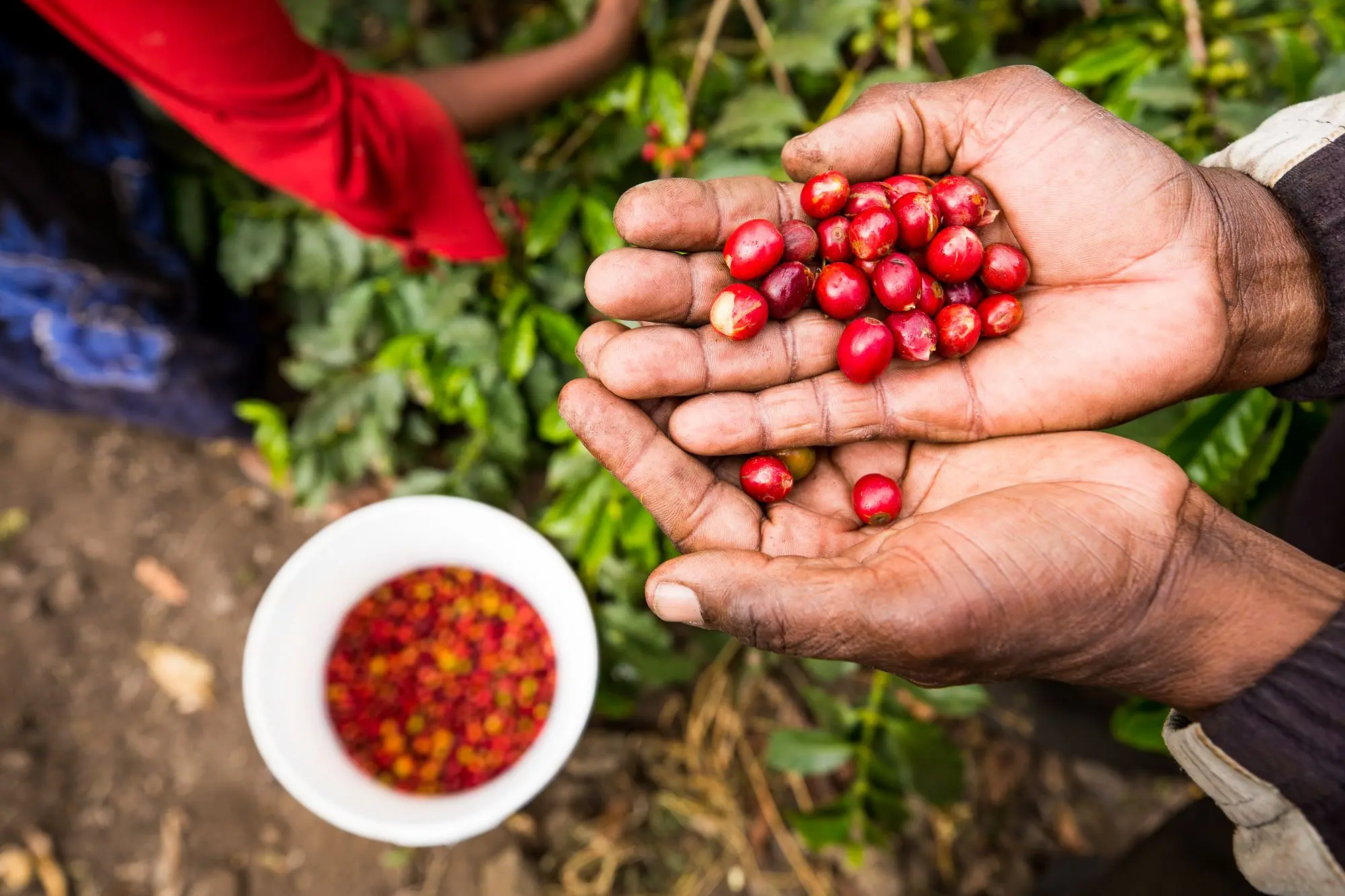
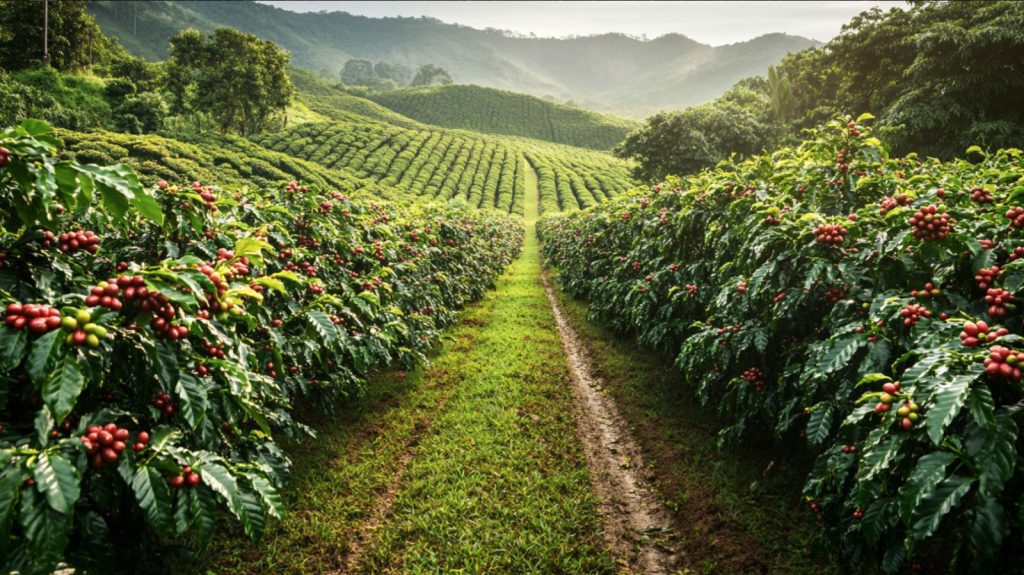
Vietnam’s coffee sector is both highly productive and highly fragmented. Around 90% of farms are smallholdings of less than two hectares, most concentrated in the Central Highlands provinces of Đắk Lắk, Gia Lai, and Lâm Đồng.
The good news: surveys show that roughly 96% of Vietnam’s coffee farms were already cultivated before 2020, meaning they technically meet the EUDR’s “no new deforestation” requirement. The challenge lies in documentation and verification. Many small farmers lack formal land-use certificates, GPS data, or digital records linking their beans to specific plots.
This gap creates the biggest compliance risk, not because of deforestation, but because of data invisibility.
Key Challenges for Vietnamese Coffee Exporters
- Traceability Complexity:
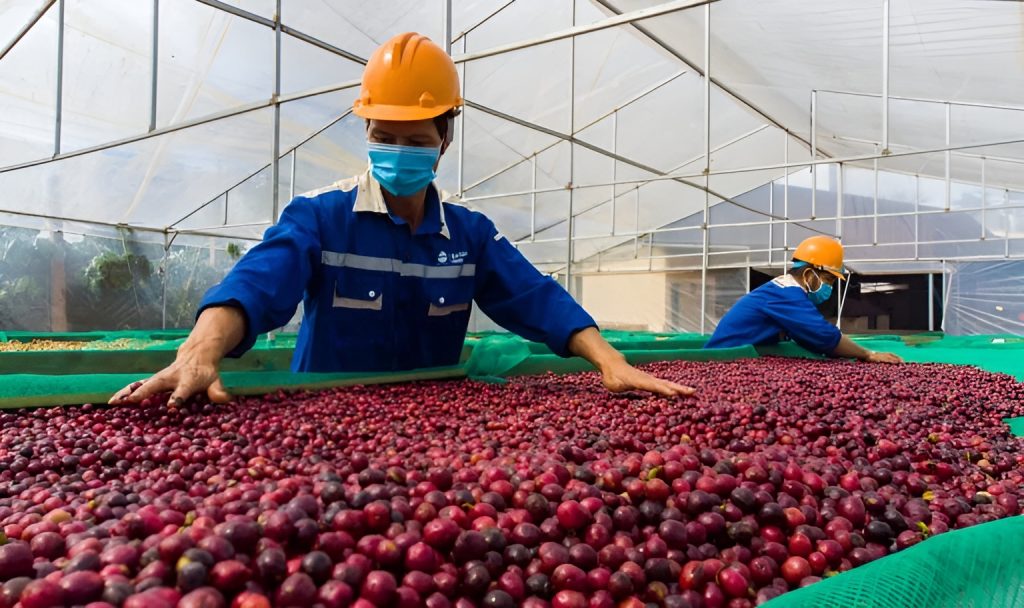
Coffee supply chains in Vietnam often involve multiple layers, while farmers sell to collectors, who then sell to processors or exporters. These middle stages make it hard to trace beans back to the original farm. - Land Legality and Documentation:
A large number of smallholders do not possess official land-use certificates. This lack of legal proof can make it difficult to verify compliance with the EUDR’s legality criteria. - Data Collection Costs:
Implementing GPS mapping, satellite verification, and record-keeping systems will increase costs, especially for small and medium-sized exporters. - SME Readiness Gap:
Larger corporations can adapt faster thanks to resources and technology, but many smaller exporters will need support to upgrade systems and train staff.
These issues could slow shipments or increase rejection risks if not addressed before the regulation’s full enforcement.
Government and Industry Responses to EUDR
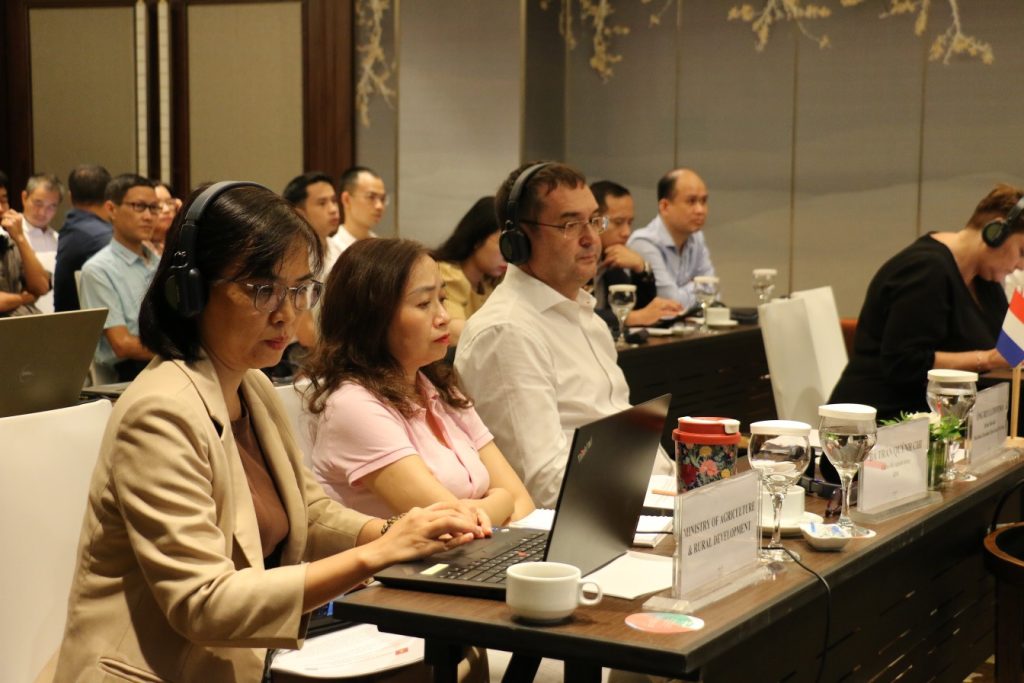
Vietnam has been quick to act. The Ministry of Agriculture and Rural Development (MARD), working with international partners such as IDH – The Sustainable Trade Initiative and coffee giant JDE Peet’s, launched the National Database of Forest and Coffee Lands in late 2024.
This database compiles satellite maps, cadastral data, and farm coordinates to verify that coffee plots have not encroached on forests since the 2020 cutoff. It will serve as a digital foundation for exporters preparing their due diligence reports.
Several provinces, such as Đắk Lắk, Gia Lai, and Lâm Đồng, have begun training local cooperatives and farmers on geolocation mapping and digital recordkeeping. Meanwhile, leading exporters are piloting traceability platforms that collect farm-level data from thousands of households.
These coordinated efforts make Vietnam one of the most advanced EUDR-prepared coffee origins in Asia.
Vietnam’s “Low-Risk” Advantage
In May 2025, the EU officially classified Vietnam as a “low-risk” country under the EUDR. This classification significantly eases the compliance burden: only about 1% of shipments will be subject to customs spot checks, compared to 9% for “standard-risk” countries and up to 15% for “high-risk” ones.
This designation reflects Vietnam’s proactive engagement and its progress in sustainability initiatives. It gives exporters a competitive edge, but only if they maintain reliable traceability systems and avoid incidents that could jeopardize the low-risk status.
Turning Compliance into Opportunity
The EUDR shouldn’t be seen purely as a barrier. For Vietnam’s coffee industry, it can be a strategic catalyst for long-term competitiveness.
- Access to Premium Markets:
EU buyers increasingly prioritize verified “deforestation-free” coffee. Compliant exporters can tap into high-value segments and specialty roasters that pay sustainability premiums. - Improved Brand Reputation:
Demonstrating traceable, sustainable production enhances Vietnam’s brand globally, shifting perceptions from “mass producer” to “responsible origin.” - Digital Transformation:
The push for traceability accelerates modernization. Platforms that collect farm-level data can also improve productivity, certification management, and access to finance. - Inclusive Growth:
With proper training, smallholders can join certified supply chains, secure stable contracts, and benefit from sustainability-linked incentives.
When managed well, EUDR compliance can position Vietnam as a regional model for green, data-driven agriculture.
How Exporters Can Prepare
- Map your sourcing areas and collect farm coordinates now, before the 2025 deadline.
- Engage cooperatives and collectors; they are critical links in ensuring supply chain transparency.
- Integrate EUDR into existing certifications such as 4C, UTZ, or Rainforest Alliance to streamline verification.
- Invest in digital traceability systems that record transactions and link them to verified farms.
- Communicate with EU buyers early to align documentation formats and due diligence requirements.
- Train local staff on EUDR standards and supplier engagement.
Early movers will not only comply faster but also secure stronger relationships with long-term European partners.
Conclusion – Vietnam’s Coffee, Reimagined
The EUDR marks a turning point for Vietnamese coffee, making it from a commodity-driven export to a proof-based, sustainable product. While the road to full compliance is complex, Vietnam’s proactive policies, national traceability systems, and “low-risk” status give it a clear head start.
For exporters, success depends on one thing: building transparent, data-backed supply chains that meet EU expectations while preserving the livelihoods of farmers who make Vietnam’s coffee world-famous.
For a deeper dive into how the EUDR reshapes Vietnam’s key export sectors, including coffee, rubber, and timber. Download FVSource’s EUDR White Paper 2025, featuring policy updates, compliance guidance, and on-the-ground insights from Vietnamese industry leaders.